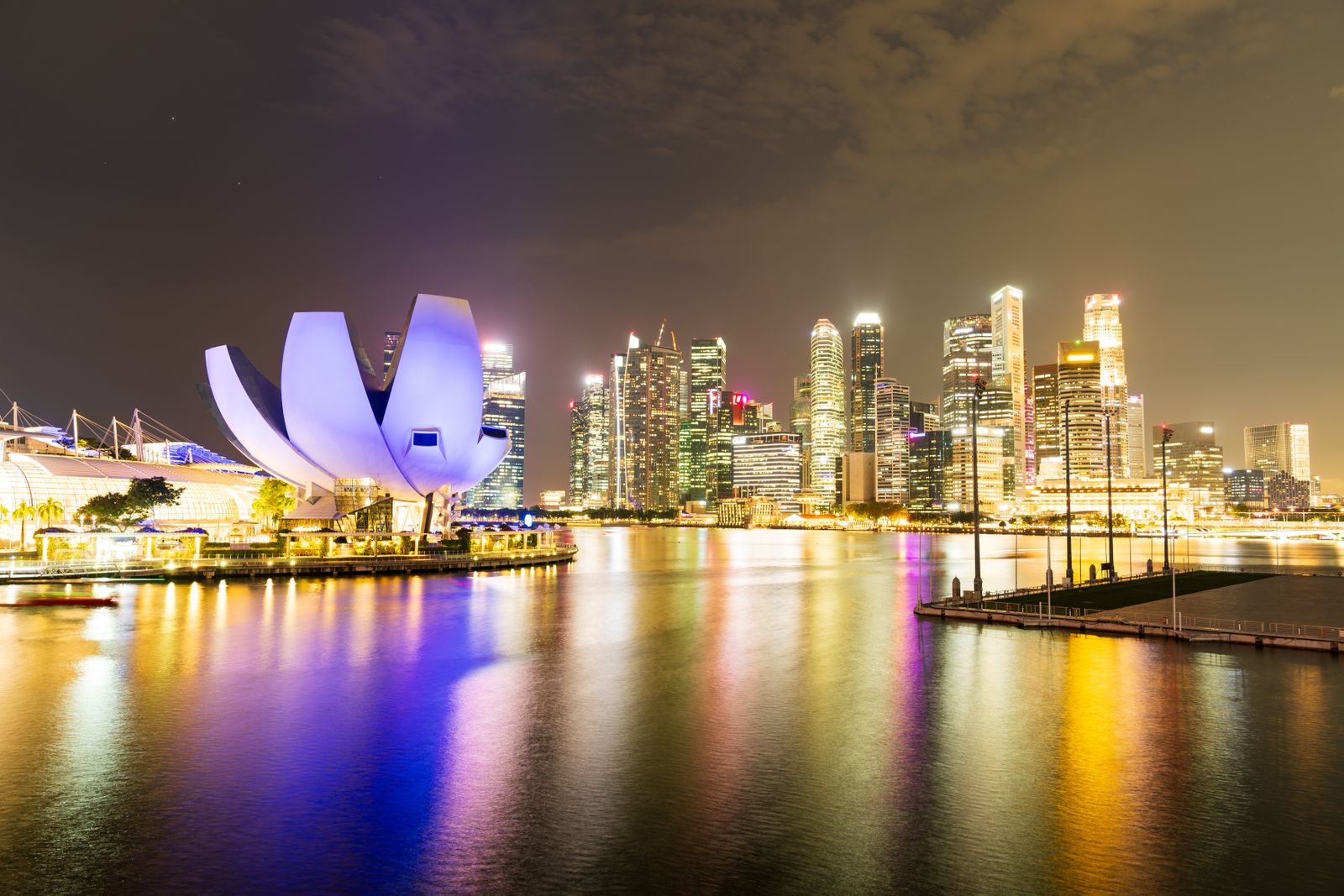
Bring one specific announcement, book reporter briefings before the week starts, and do not count on the show floor to do your press work for you. That is the direct answer. TOKEN2049 Singapore runs October 7 and 8, 2026 at Marina Bay Sands, and the organizers say more than 1,000 side events will run around it. Reporters cannot attend most of them, which means a brand that only announces it is "attending" gets lost. Below is how to plan the eleven days you have left.
What is TOKEN2049 Singapore, and how big is it?
According to the organizer's own event page, the 2026 edition takes over all five floors of Marina Bay Sands on October 7 and 8 and expects more than 25,000 attendees, more than 7,000 companies, more than 300 speakers and more than 500 exhibitors. The organizers also state that over 60% of attendees are C-level and that more than 160 countries are represented. An official closing party, AFTER 2049, follows on October 9. These are the organizer's figures, not an independent count, so treat them as the size of the opportunity as promoted, not audited.
For context, the organizer's release on the 2025 edition reported 25,000 attendees, more than 500 exhibitors and 1,000 side events across Singapore. So the scale is steady, and so is the problem: everyone in crypto is trying to get noticed in the same week.
Sources: TOKEN2049's own event page and Cision's 2026 State of the Media report, both linked in the article. Event figures are the organizer's, not independently audited.
Why is press harder to win during a mega conference?
Because supply outruns attention. Every exhibitor, sponsor and side-event host has a "big announcement" that week. Reporters are also physically stretched, moving between panels, interviews and their own deadlines.
The general data on pitching applies with extra force here. In Cision's 2026 State of the Media report, a survey of 1,899 journalists, 82% said they actively reject pitches that are not relevant to their beat. In conference week, a generic "visit us at booth 214" email is the definition of not relevant. A reporter who covers exchanges does not need a wallet-feature pitch, and one who covers stablecoin regulation does not need a gaming partnership.
What counts as a real announcement at a crypto conference?
Attendance is not news. What earns a reporter's time is something new, specific and checkable:
- A product or protocol launch with a live date and something a reader can use.
- A named partnership where both sides are willing to confirm it on the record.
- Original data, such as usage numbers, on-chain activity you can explain, or a survey with disclosed method.
- A regulatory or licensing milestone you can document.
- A hire or a leadership move that says something about where the company is headed.
If your announcement would be just as newsworthy on a random Tuesday in November, it is strong enough. If it only works because the conference is happening, it is not. How to get media coverage for a crypto project covers what crypto journalists consider newsworthy, and it is worth reading before you decide what to save for October 7.
What should you do in the days before the show?
Use the time you have, which is under two weeks.
- Decide the one story. Pick the single announcement you will lead with. Everything else is supporting material.
- Build a short target list. Ten to fifteen reporters who cover your specific niche will do more than a hundred general contacts. Check what they have written in the last few months.
- Offer early access, not a blast. If your news is strong, give one outlet an exclusive or agree an embargo with a small group, the same way a funding announcement works. A release sent to everyone at once gives no one a reason to write first.
- Book briefings now. Ask for fifteen to twenty minutes, on a specific day, at a specific place. Reporters plan their week around scheduled meetings, not chance encounters.
- Prepare the kit. Facts confirmed, a founder quote that says something, a link to a page with the source data, and a one-line answer to the hardest question you expect.
If you plan to send a release, a crypto press release has a structure that works and a regulatory check that every release needs before it goes out.
What should you do during the two days?
Show up for the briefings you booked. Treat walk-up interest as a bonus. A crowded floor is a poor place to build trust with someone who has never heard of you, while a confirmed meeting is a real one.
Have a spokesperson who can speak to the market, not only to your product. Reporters covering a conference want a view on where the industry is heading, and a founder who can give a sourced, plain opinion is quoted more often than one who repeats the product page. Keep your public statements consistent with what you have published.
Do Singapore's promotion rules affect how you talk about your token or service?
They can, and this is the point where crypto conference PR differs from other sectors. This is a plain description of a public document, not legal advice, and it is a question for your counsel.
The Monetary Authority of Singapore issued Guidelines on Provision of Digital Payment Token Services to the Public (PS-G02) on January 17, 2022. They set out MAS's expectation that digital payment token service providers "should not promote their DPT services in public areas in Singapore or through any other media directed at the general public in Singapore," and they name public events and roadshows among the examples. They also say providers should not engage third parties such as social media influencers to promote those services to the general public.
The guidelines apply to specific categories of service provider, and whether one applies to your company depends on what you offer and where. Editorial coverage that a journalist chooses to write is a different thing from an advertisement you place, and you should not assume it is treated the same way or a different way without asking a lawyer. The practical takeaway is to bring counsel into your announcement wording early, not the night before. We cover the topic in more detail in our piece on what those Singapore rules say.
What should you do after the conference ends?
Most exhibitors go quiet when the lanyards come off. That is the opening. Follow up with reporters you met and offer something useful: a data point on a theme you heard repeatedly, a comment on a regulatory story, or a sourced view on what buyers and builders were actually asking about.
Then use the coverage. AI assistants repeat what independent sources say, and a fresh article from a credible outlet is the kind of source they draw on, which is why earned coverage feeds AI visibility for crypto brands long after the event is over. Judge the result by whether the outlets your buyers, partners and future hires read wrote something real, not by a "potential reach" figure.
A realistic checklist for the next eleven days
- Choose one announcement that is newsworthy on its own.
- Confirm every claim in it can be sourced, and get counsel to review the wording.
- Build a target list of reporters who cover your exact niche.
- Offer an exclusive or run a confirmed embargo.
- Book briefings for specific times.
- Prepare a spokesperson who can talk about the market.
- Plan two or three follow-ups for the weeks after.
The direct answer, for anyone who read this far
How should a crypto brand handle PR around TOKEN2049 Singapore? Lead with one specific, sourced announcement, get it to the right reporters before October 7, book briefings in advance, have counsel look at how you describe your service, and keep talking after the show closes. A booth and a party are not a story.
White Ocean Media works on press strategy for crypto and Web3 companies, and we are not connected to TOKEN2049 or its organizers. If you have news and want an honest read on whether it is strong enough to earn coverage, request a quotation and we will tell you before you spend anything.