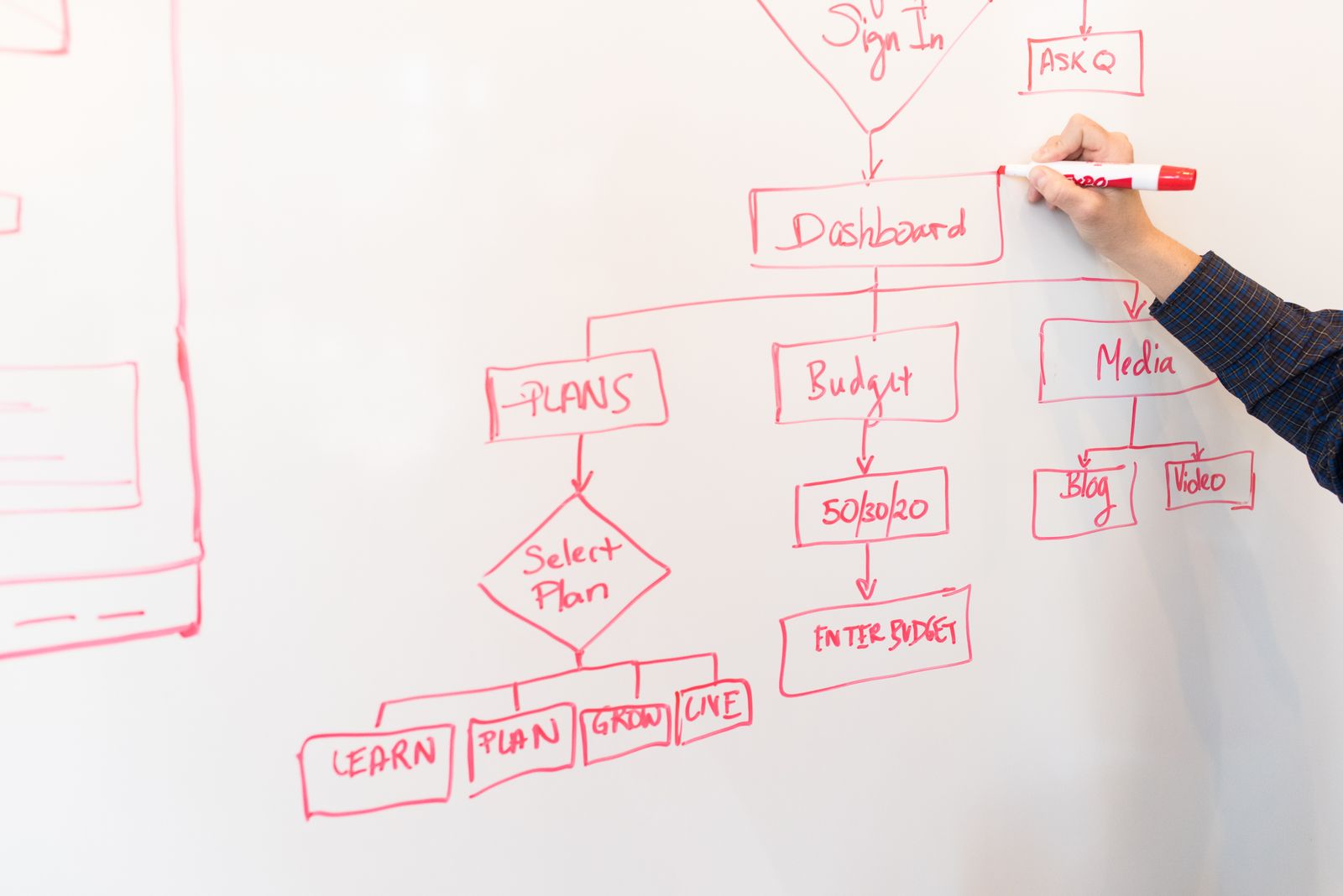
A newsroom page should carry a current boilerplate, a dated archive of every past release, a fact sheet with real numbers, leadership bios and downloadable headshots, logo files, and a named media contact, all sitting in plain, crawlable HTML with no login wall in front of it. The job is different from a press kit you email a specific reporter. A newsroom page is the public, always-on version of the same facts, the one a journalist finds on their own at 11 p.m. before a deadline, and increasingly, the one an AI crawler reads when it needs a dated fact about your company and nobody sent it anything at all.
How is a newsroom page actually different from a press kit?
A press kit is something you hand to a specific person for a specific story. A newsroom page is the public record that exists whether or not you have handed anyone anything. Our guide to what a press kit should include covers the boilerplate, fact sheet, bios and logos that belong in both, and most of that content genuinely overlaps. The difference is access and permanence: a press kit can live in a shared folder you send on request, but a newsroom page has to be a real, indexable page on your own site, because the people and systems that use it will never ask you for it first. A reporter working late on a story about your competitor, who wants one verified fact about you for context, is not going to email your media contact and wait. They are going to search your name and read whatever your site shows them in the next thirty seconds.
Why does this matter more now than it did five years ago?
Because a second reader has joined the first one, and it cannot ask you a question at all. Cision's 2026 State of the Media Report, based on a survey of 1,899 journalists across North America, EMEA and APAC conducted in January and February 2026, found that 66% of journalists rely on PR-provided content, including releases and media kits, as a source for story ideas. That is the human reader, and the finding has not changed much in years: journalists have always used what a company publishes about itself as a starting point, then verified and expanded on it. What has changed is that an AI crawler reading the same page cannot call your media contact to ask a follow-up, cannot wait for a reply, and will simply use whatever it finds, or move on to a competitor's page that answers the question instead. A newsroom page with stale numbers or no numbers at all is a worse source for both readers, but only one of them can ask you to fix it.
What has to be on the page, specifically?
The same core content as a press kit, published rather than packaged, plus one thing a kit does not need: history.
- A current boilerplate. The same two or three sentences a reporter would copy into a story, kept accurate as the company changes. An out-of-date boilerplate, still citing a headcount or funding stage from two rounds ago, is worse than none, because it actively misinforms anyone who trusts it.
- A dated release archive. Every past announcement, in order, each with its original publish date intact. This is what lets a reporter or an AI system check what you said and when, rather than relying on a single static summary that cannot show change over time.
- A fact sheet with real numbers. Founding date, headquarters, headcount if you disclose it, and the specific facts a reporter would otherwise have to ask for. What a press kit's fact sheet needs applies the same way here.
- Leadership bios and downloadable headshots, in both high resolution and web resolution, so nobody has to email you for an image on deadline.
- Logo files in multiple formats, including a vector format, with basic usage guidance.
- A named media contact with a real email, not a generic inbox that nobody is watching.
Should the newsroom page sit behind a login or a contact form?
No, and this is the single most common mistake. A newsroom page that requires registration, a name and email submitted to a form, or any login at all defeats its own purpose twice over. A reporter on deadline will not fill out a form to read your boilerplate; they will leave and either skip you or write the story without your facts in it. And a page behind a login is invisible to the crawlers that index content for AI systems, which generally cannot submit forms or hold a session, so a gated newsroom page is functionally the same as having none, from the perspective of anything other than a human who already decided to make the effort. If a newsroom page exists to be found, it has to actually be reachable by the things doing the finding.
Does a newsroom page actually get an AI system to cite your company?
Not by itself, and it is worth being honest about that limit. Earned media still accounts for the large majority of AI citations across the categories Muck Rack has studied, meaning independent coverage in outlets an AI system already trusts carries more weight than a company's own page saying the same thing about itself. A newsroom page is not a substitute for that earned coverage, and treating it as one is a common and costly mistake. What a current, crawlable newsroom page does is narrower and still valuable: it gives an AI system, or a reporter, a dated, specific, first-party fact to check an outside claim against, and it closes the gap where a company has no public record at all for even the basics a journalist would otherwise need to call and ask for. Generative engine optimization describes this structural layer more broadly; a newsroom page is one of its most concrete, overlooked pieces.
What actually breaks a newsroom page's usefulness?
Treating it as a marketing page instead of a factual one. The most common failure is not an empty newsroom page, it is one written in the voice of a homepage: adjectives instead of numbers, a boilerplate that reads like a tagline, product descriptions that assume the reader already wants to buy something rather than needs to understand what the company does. A journalist and an AI system are both looking for the same thing on this page, a fact they can use or verify, not a pitch. The second most common failure is simple neglect: a release archive that stops eighteen months ago, bios for executives who left the company a year prior, a boilerplate describing a company stage that is no longer accurate. Both failures cost you the same thing, a reader who needed one fact, did not find it, and moved on to whichever competitor's page actually had it.
The direct answer, for anyone who read this far
A newsroom page needs a current boilerplate, a dated and complete release archive, a real fact sheet, leadership bios with downloadable headshots, logo files, and a named media contact, published as plain, crawlable HTML with no login in front of it. It will not replace earned coverage as the thing that actually gets an AI system or a reporter to cite you, but it closes the gap where you have no public, verifiable record at all, and it is one of the few pieces of AI visibility work that is entirely within your own control. If your newsroom page needs an honest audit, get in touch with our team.