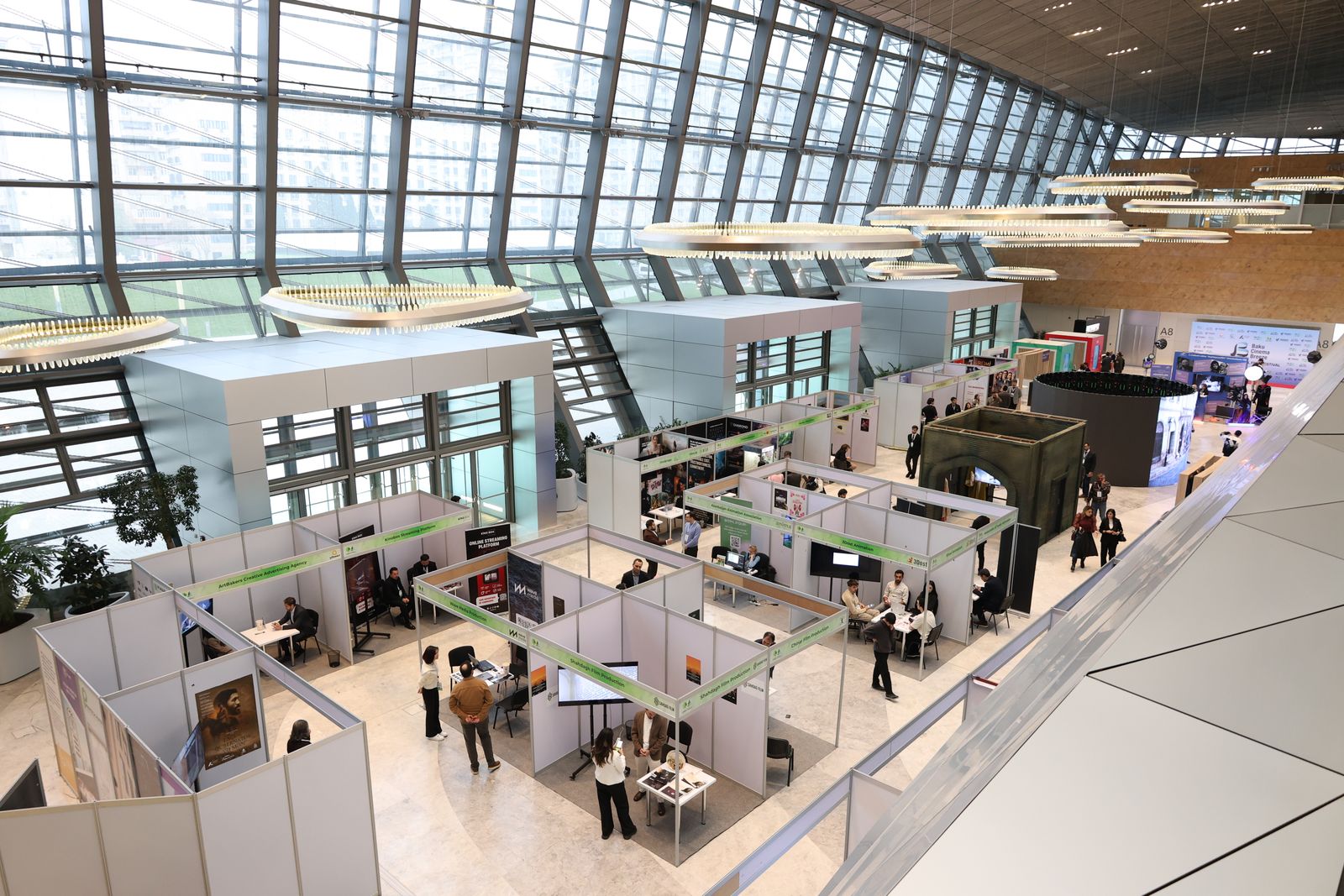
By pitching the story that is undersupplied rather than the one 2,250 other exhibitors are telling. ADIPEC 2026 runs from 2 to 5 November at ADNEC in Abu Dhabi, and the organizer's own figures describe an exhibition of more than 239,000 attendees and more than 2,250 exhibiting companies, with 13 conference programs and more than 1,800 conference speakers. At that scale, a booth announcement is noise. A technology company with something specific to say about AI, data or digitalization in energy is in a far thinner field, and that is the opening.
Why is ADIPEC relevant to a technology company at all?
Because it is no longer only an oil and gas show. ADIPEC's exhibition now includes an AI Zone and a Digitalisation Zone alongside its Low Carbon and Chemicals and Maritime and Logistics areas. The organizer also publishes a deal figure of US$53 billion generated across 49,131 business deals, which tells you what kind of audience is in the building: budget holders from national and international energy companies, with 54 NOCs, IOCs, NECs and IECs listed as participating.
That matters for the PR calculation. An AI infrastructure company, a cybersecurity vendor, an industrial data platform or a fintech serving commodity trading has a credible reason to be in this conversation, and almost no competition for the energy trade press angle that connects its product to an operator's actual problem. Meanwhile every drilling services company in the hall is pitching the same incremental efficiency story to the same five reporters.
Four weeks out, what is already too late?
The exclusive. If you were planning to offer a major publication first access to a launch timed to the show, that window is effectively closed for the tier one business and energy press, whose feature pipelines were set weeks ago. Attempting it now usually produces a polite no that also burns the relationship for the next attempt.
Also gone, realistically: getting a senior executive onto a conference program, securing a speaking slot, and any plan that depends on the organizer's own channels promoting you, since partner and sponsor content is locked long before the doors open.
What is not gone is most of the value. A trade publication planning ADIPEC coverage is still deciding what to write about in the show preview and the daily coverage, and reporters who will be on the floor are still assembling the list of companies worth visiting. That list is being written now, which is exactly why the next four weeks matter more than the four days of the event.
What should you actually do in the next four weeks?
Work backwards from the show, and keep the list short.
- Weeks four and three. Pick one announcement, and make it checkable. A named customer, a deployment with a number attached, a result an operator will confirm. If the only thing you have is a product update, say so plainly and pitch it to the trade press that covers product updates, rather than dressing it up for a business desk that will not run it.
- Week three. Build the journalist list by reading, not buying. Identify the reporters at energy trade titles, regional business press and the technology outlets who have actually covered this category in the last three months. Cision's 2026 State of the Media Report, published on 13 May 2026 from a survey of 1,899 journalists, found that 72 percent say fewer than a quarter of the pitches they receive are relevant. Event season is when that number gets worse, and when being the exception is cheapest.
- Week two. Send short, specific pitches offering a floor meeting with a named person, not a press kit. Register the right people through ADIPEC's own press and media pages, and note that the organizer lists media@adipec.com as its published media contact.
- Week one. Confirm meetings, prepare the spokesperson properly, and write the holding statements for anything sensitive. Have a short factsheet with correct names, titles and spellings, and high-resolution images ready to send the moment someone asks.
Our wider guidance on how to write a pitch a journalist will actually read applies here with one adjustment: during event season, the thing a reporter needs is a reason to spend twenty minutes of a packed four days with you specifically.
What makes an ADIPEC announcement newsworthy rather than routine?
A result, a first, or a conflict. In practice that means one of:
- A signed agreement with a named counterparty, where the counterparty will also comment.
- A deployment with a measurable outcome the customer will stand behind on the record.
- Data you own. Operational figures, a survey of operators, anything that gives a reporter a number nobody else has. Announcing research properly is still the most under-used move available to a company this size.
- A genuine first in the region, stated narrowly enough to survive a fact check.
What is not newsworthy: attendance, booth numbers, a stand design, an executive being "excited to showcase," or a partnership whose terms you cannot describe. If you are announcing a partnership, the structure that gets those covered depends almost entirely on whether both sides will say something specific.
What should happen during the four days, and after?
During: fewer, better meetings. Three substantive conversations with reporters who cover your category beat twenty business cards. Keep one person reachable by phone the whole time, because event-week coverage runs on same-hour responses, and a journalist who cannot reach you writes about whoever answered.
After is where most companies stop and where the return actually sits. The week after a show is when trade publications write the analysis pieces, the "what we learned at ADIPEC" roundups and the follow-ups on themes they noticed on the floor. A company that sends a thoughtful, non-promotional note to a reporter they met, offering a view on something the reporter was clearly interested in, gets into those pieces. This is also the point at which event coverage starts compounding into the kind of earned media that keeps working long after the hall is empty, including in the AI assistants that now summarize who does what in a category.
Be honest with yourself about the timeline, too. A single event does not produce a visible shift in coverage or inbound. PR works on a quarter, not a week, and ADIPEC is best treated as one strong input into that rather than a campaign in itself.
A realistic ADIPEC 2026 PR checklist
- One announcement, checkable, with a named customer or counterparty if possible.
- Fifteen to thirty reporters whose recent work you have read, not a bought list.
- Pitches sent by roughly two weeks out, offering a floor meeting with a named person.
- Press registration completed through the official ADIPEC channels.
- Factsheet, correct titles and spellings, and high-resolution images ready to send.
- A spokesperson briefed on the hard questions, not just the talking points.
- One person reachable by phone throughout the four days.
- A follow-up plan for the week after, aimed at the analysis coverage rather than the news coverage.
The direct answer, for anyone who read this far
Accept that the exclusive and the speaking slot are gone, and spend the next four weeks on the two things that still move: one announcement a reporter can verify, and a short list of reporters who genuinely cover your category, approached with an offer of a specific conversation on the floor. Pitch the AI, data and digitalization angle, because that is where the field is thin and the audience is paying. Then do the follow-up work in the week after the show, which is where most of the coverage actually gets written. If you want help building that in the time remaining, tell us what you are announcing.